Understanding the Basics of Perfume Layering
Perfume layering, an art that allows you to create unique scents, is becoming increasingly popular among fragrance enthusiasts. This technique involves combining different fragrances to enhance or transform the overall scent experience. By layering, you not only personalize your fragrance but also express your individuality. As we explore this topic, understanding how to effectively layer perfumes will be essential for crafting a signature scent that resonates with your personality. When exploring options, Perfume Layering Tips can provide comprehensive insights to enhance your fragrance layering experience.
What is Fragrance Layering?
Fragrance layering refers to the practice of applying multiple scents in a specific order to create a harmonious blend. Unlike simply spritzing on one fragrance, this method allows for a more complex olfactory experience. The goal is to find scents that complement each other while still maintaining their individual characteristics. This can range from layering two different perfumes to using scented lotions or oils alongside your fragrance.
The Science Behind Layering Scents
The art of fragrance layering is underpinned by the fundamental principles of perfumery. Scents can be categorized into families: floral, woody, oriental, and fresh, among others. Each family has distinct characteristics that can either clash or harmonize when combined. Understanding these families is crucial, as it allows you to create blends that evoke specific emotions or memories. For instance, floral scents can add a romantic touch, while woody fragrances can ground the blend with their earthy depth.
Benefits of Layering Your Fragrance
- Personalization: Layering enables you to create a scent that truly reflects your personality and style.
- Longevity: Combining different scents can enhance the longevity of your fragrance as some ingredients may last longer on the skin.
- Versatility: Layering can transform a fragrance for different occasions, allowing one perfume to serve multiple purposes.
- Creativity: The practice encourages experimentation, fostering creativity as you discover unique combinations.
Choosing the Right Scents for Layering
Identifying Complementary Fragrance Families
To successfully layer your fragrances, it is essential to identify complementary scent families. For example, pairing a citrus scent with floral notes can create a refreshing and uplifting experience. Conversely, combining two heavy oriental fragrances might lead to an overpowering scent, which can overwhelm the senses. Start by exploring different fragrance families and note their characteristics to see how they can be blended.
Top Tips for Selecting Base and Top Notes
When layering fragrances, understanding the role of base and top notes is crucial. Base notes are the foundation of the fragrance and typically last longer, while top notes are the initial scents that create the first impression. Here are some tips for selecting the right notes:
- Choose a strong base: Begin with a base note that has great longevity, such as sandalwood or vanilla.
- Complement with lighter top notes: Add a fresh top note, like bergamot or lemon, to brighten the overall scent.
- Consider mid-notes: These are the heart of the perfume; include something floral or spicy to bridge the base and top notes.
Layering with Essential Oils for Unique Blends
Essential oils are a fantastic option for layering fragrances, as they offer pure, concentrated scents. By mixing essential oils with your fragrances, you can introduce natural dimensions to your scent profile. For example, adding a few drops of lavender essential oil can bring calming floral notes to a woody scent. Always be mindful of the concentration of essential oils, as too much can overpower your desired blend.
Step-by-Step Guide to Layering Perfumes
Preparing Your Skin for Fragrance Application
Properly preparing your skin is key to making your layered scents last. Start with clean, moisturized skin. Applying an unscented lotion provides a hydrating base that helps the fragrance adhere better. Additionally, pulse points such as the wrists, neck, and behind the ears can enhance projection, allowing your layered perfumes to shine.
Techniques for Applying Layered Scents
Applying layered scents requires a few techniques to get the best results:
- Start with the base: Apply the base fragrance first, allowing it to settle for a minute.
- Add the top notes: Once the base has settled, lightly spritz or dab the top note scent over it.
- Avoid rubbing: Avoid rubbing your wrists together, as this can break down the fragrance molecules.
Creating a Signature Scent Profile
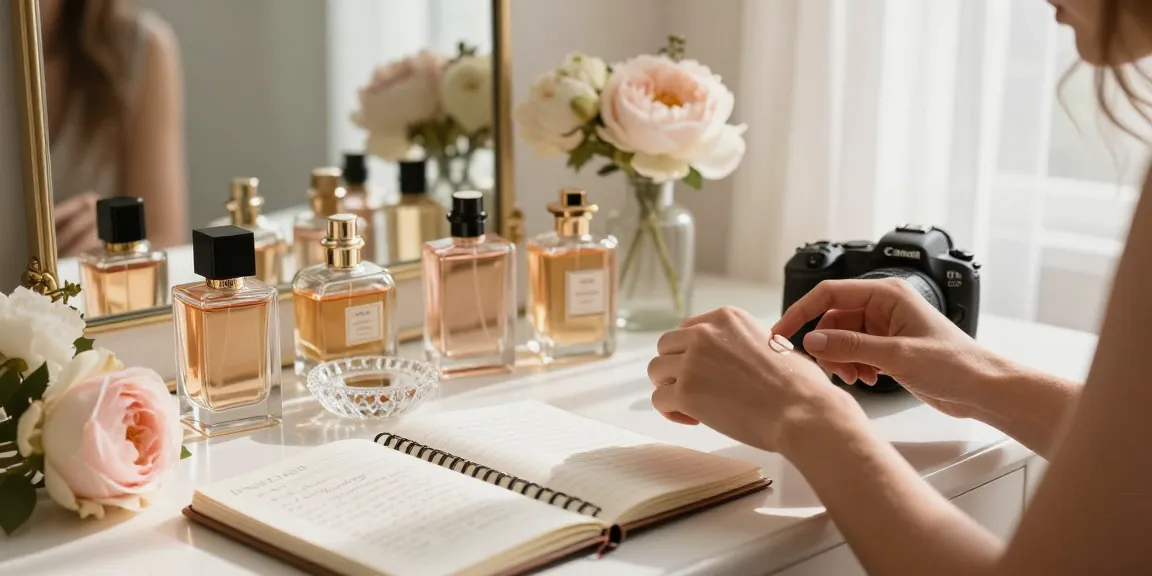
To develop a scent profile that’s uniquely yours, consider the emotions or memories you want your fragrance to evoke. Once you have a theme, select scents that align with this narrative. This could mean combining a bright citrus note with a warm, spicy base to evoke summer evenings spent outdoors. Document your experiments to refine your combinations and to remember your favorite blends.
Common Mistakes to Avoid When Layering
Overpowering with Strong Fragrances
One of the most common mistakes in perfume layering is using too many strong fragrances simultaneously. This can lead to a chaotic scent experience rather than a harmonious blend. Stick to one potent fragrance as the base, complemented by lighter scents.
Layering Incompatible Notes
Layering scents that clash can create an unpleasant overall aroma. It’s important to test combinations on a fragrance strip before applying them on the skin. What works well in the bottle may not translate to your skin chemistry.
Not Considering Skin Chemistry
Your skin chemistry plays a significant role in how fragrances interact. Factors like skin type, pH level, and even diet can alter how a scent develops. Always test your layered perfumes on your skin to understand how they will ultimately smell throughout the day.
Future Trends in Perfume Layering
Innovations in Fragrance Development
The world of perfumery is ever-evolving, and new innovations are emerging to enhance the layering experience. Brands are increasingly focusing on eco-friendly ingredients and sustainable practices, making it easier for consumers to layer without compromising their values.
Emerging Techniques for Custom Blending
Customized fragrance experiences are on the rise, with new technologies allowing consumers to create their personalized blends through apps. These applications can analyze scent preferences and suggest potential combinations, making the process of layering more accessible and tailored.
Personalized Fragrance Experiences in 2026
As we move towards 2026, personalized fragrances will surpass traditional options. Expect to see more brands offering bespoke experiences, allowing individuals to create scents that encapsulate their unique journeys. Utilizing artificial intelligence and machine learning, fragrance creation will become more nuanced, catering to individual tastes like never before.
What are the best perfume layering tips?
The best perfume layering tips include starting with a strong base note, complementing it with lighter top notes, and exploring essential oils for complexity. Be sure to consider your personal preferences and skin chemistry when crafting your signature scent.
How do I choose fragrances for layering?
To choose fragrances for layering, identify complementary scent families, select a powerful base note, and add lighter notes to enhance the overall profile. Test combinations on fragrance strips before applying them to your skin.
Can I layer perfumes from different brands?
Yes, you can layer perfumes from different brands. In fact, mixing fragrances from various brands can yield unique combinations that help you stand out and express your personal style.
What mistakes should I avoid when layering perfumes?
Avoid overpowering your scent with strong fragrances, layering incompatible notes, and neglecting to consider your skin chemistry. Understanding these factors will help you create more enjoyable fragrance experiences.
How can I find my signature scent?
Finding your signature scent involves experimentation with various fragrance families, layering techniques, and personal preferences. Consider the emotions you want to evoke and select scents that resonate with that narrative. Document your journey to refine your scent profile.